
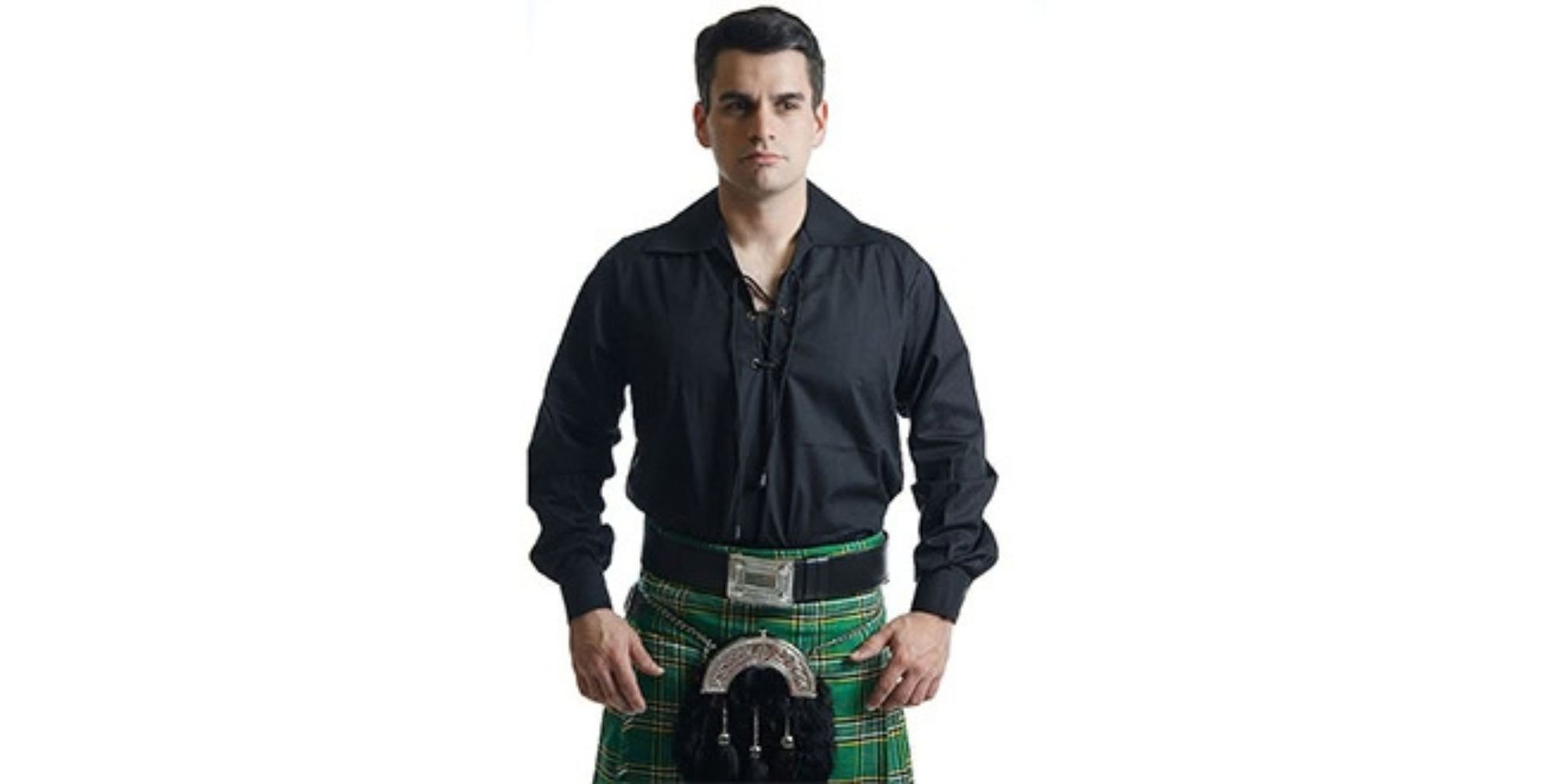
A well-fitted outfit can make you feel confident at any special event. Weddings, festivals, formal dinners, and cultural gatherings often call for clothing that looks smart and feels good. Traditional Highland wear has a strong sense of style and history. However, the right fit matters just as much as the design. A few simple fitting and tailoring steps can help you look sharp without feeling uncomfortable.
Start With Accurate Measurements
Good tailoring begins with the right measurements. Even a high-quality garment can look wrong when the size is not right. So, take your measurements while standing in a relaxed position. Do not pull in your stomach or hold your breath.
For a kilt, measure around your waist where you plan to wear it. Then, check the length from the waist to around the middle of the knee. Keep the measurements even on both sides. For jackets and shirts, also measure your chest, shoulders, neck, arms, and sleeve length. These details help traditional Highland wear sit well on your body.
Get the Kilt Fit Just Right
The kilt is often the main part of a Highland outfit. Therefore, it needs special care during fitting. It should feel secure around your waist without feeling too tight. You should also be able to sit, walk, and move with ease.
The kilt should hang evenly at the front. Its pleats should stay neat at the back. If the kilt twists or moves too much, the waist may need an adjustment. On the other hand, a very loose fit can become a pain during a long event.
Check the Length Before Altering
Kilt length can change the whole look. A kilt that hangs too low may look heavy. One that sits too high may look out of place. Aim for a length that falls around the middle of the knee for a balanced appearance.
Before making any permanent changes, try the kilt with the shoes you plan to wear. Shoes can affect your posture and change how the kilt looks. So, it is smart to check the full outfit before asking a tailor to cut or shorten anything.
Tailor the Jacket With Care
A Highland jacket should fit close to the body without feeling tight. The shoulders are especially important. They should sit neatly without pulling or bunching. Since shoulder changes can be tricky, get professional help before making major alterations.
Check the sleeves as well. They should end near the wrist when your arms rest naturally. If they cover too much of your hand, a tailor can usually shorten them. The waist can also be adjusted, but leave enough room for comfortable movement.
Don't Forget the Shirt and Waistcoat
Small details can make a big difference. A shirt should feel comfortable around the neck. The collar should also work well with your jacket and any neckwear. Avoid a collar that feels too tight or one that leaves too much space.
A waistcoat should sit neatly without pulling across the buttons. It should also leave enough room for normal movement. When worn with traditional Highland wear, the waistcoat should support the overall look instead of stealing the show.
Make Sure the Accessories Fit
Accessories complete a Highland outfit. Therefore, include them when you check the fit. A sporran should sit comfortably at the front of the kilt. It should stay in place as you walk, sit, and move around.
The same goes for belts, buckles, brooches, socks, and other pieces. Try everything together before the event. This simple step can help you spot anything that feels loose, tight, heavy, or awkward.
Plan Alterations Ahead of Time
Leaving tailoring until the last minute is asking for trouble. Try to arrange your first fitting several weeks before the event. This gives the tailor enough time to make changes. It also gives you time to check the fit again.
After the alterations, wear the complete outfit. Walk around the room. Sit down. Climb a few steps. Move your arms. If something feels wrong, fix it before the big day. This is especially useful when preparing traditional Highland wear for a formal event.
Conclusion
Proper fitting and smart tailoring can make a special-event outfit feel much better. Start with accurate measurements and check each garment carefully. Then, test the complete outfit before the event. With a good fit, careful alterations, and the right accessories, Scottish outfits can look polished while still feeling comfortable and natural. A little planning goes a long way, so give your outfit the attention it deserves before the big day.